
Read a Crenshaw County Tax Account
The Crenshaw tax portal puts assessment and billing fields on one screen. A single account can carry several parcel rows. Compare every parcel number and legal description before treating the account as one tract.
| Field | What It Shows | Where |
|---|---|---|
| Appraisal | Separate land and improvement figures. | Property Details |
| Assessment | Land and improvement assessed amounts. | Property Details |
| Exemptions | Account-specific exempt value and tax. | Tax Breakdown |
| Bill and status | Due date, status, tax, fees, payments, total due. | Overview and Pay |
| District and funds | Tax district and fund-by-fund calculation. | Details and Breakdown |
Appraisal, assessment, taxable, and bill figures answer different questions.
Use Crenshaw Tax Search Filters
The portal accepts one search criterion at a time. Tax years run from 2025 back through 2013, plus an All Years option, with All, Paid, and Unpaid status filters. Property searches run by Name, Receipt, or Parcel Number. For an owner query, the county's own tip is to enter the last name first, then the first name.
| Control | Choices | Purpose |
|---|---|---|
| Year | 2025–2013, All Years | Separate current and historical web rows. |
| Status | All, Paid, Unpaid | Identify accounts or focus on payment state. |
| Key | Name, Receipt, Parcel Number | Move from broad owner results to an exact record. |
The officially linked tax interface shows these controls.
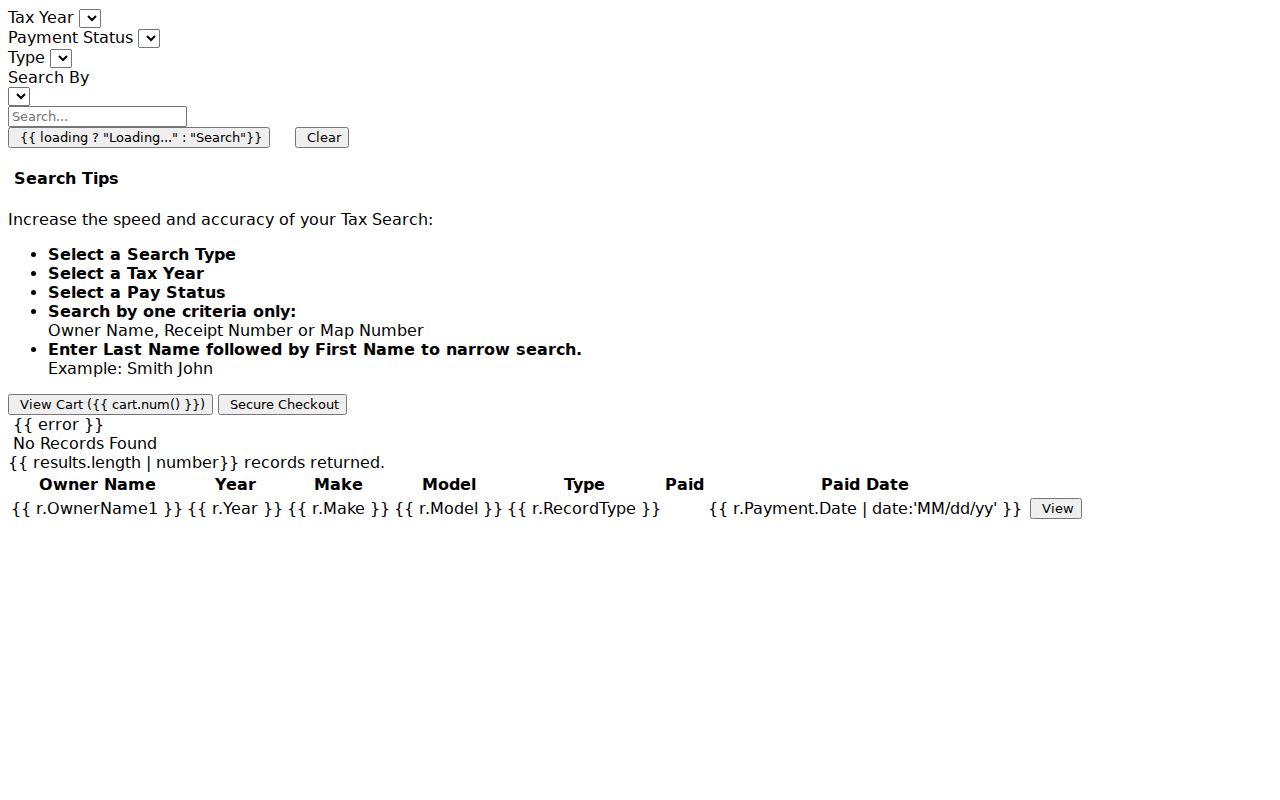
The year list describes web availability during inspection, not the office's full holdings.
Look Up a Crenshaw Property Tax Bill
A parcel number is the best search key when you have one. An owner query may pull up several years and parcels, while a receipt returns one known billing record.
- Select Property, a year, and All statuses.
- Search by parcel, receipt, or owner and open the right year.
- Match parcel ID and legal text before reading figures.
- Review status, fees, payments, exemptions, and fund lines.
- Save the bill or receipt and confirm disputed figures with the office.
Tax terms
- Appraised value
- The land and improvement valuation shown by the tax system.
- Assessed value
- The amount derived under Alabama classification rules.
- Exemption
- A qualified reduction reflected in account-specific lines.
- Tax lien
- A claim arising from unpaid tax; delinquency, sale, and redemption are separate stages.
Separate the Bill, Receipt, and Parcel Details
The Catalis record view includes Overview and Pay, a printable bill, a printable receipt when paid, Tax Breakdown, and Address Change. Parcel rows can show ID, district, appraisal, assessment, due amount, and legal text. The address-change form updates correspondence information only. It never changes recorded ownership.
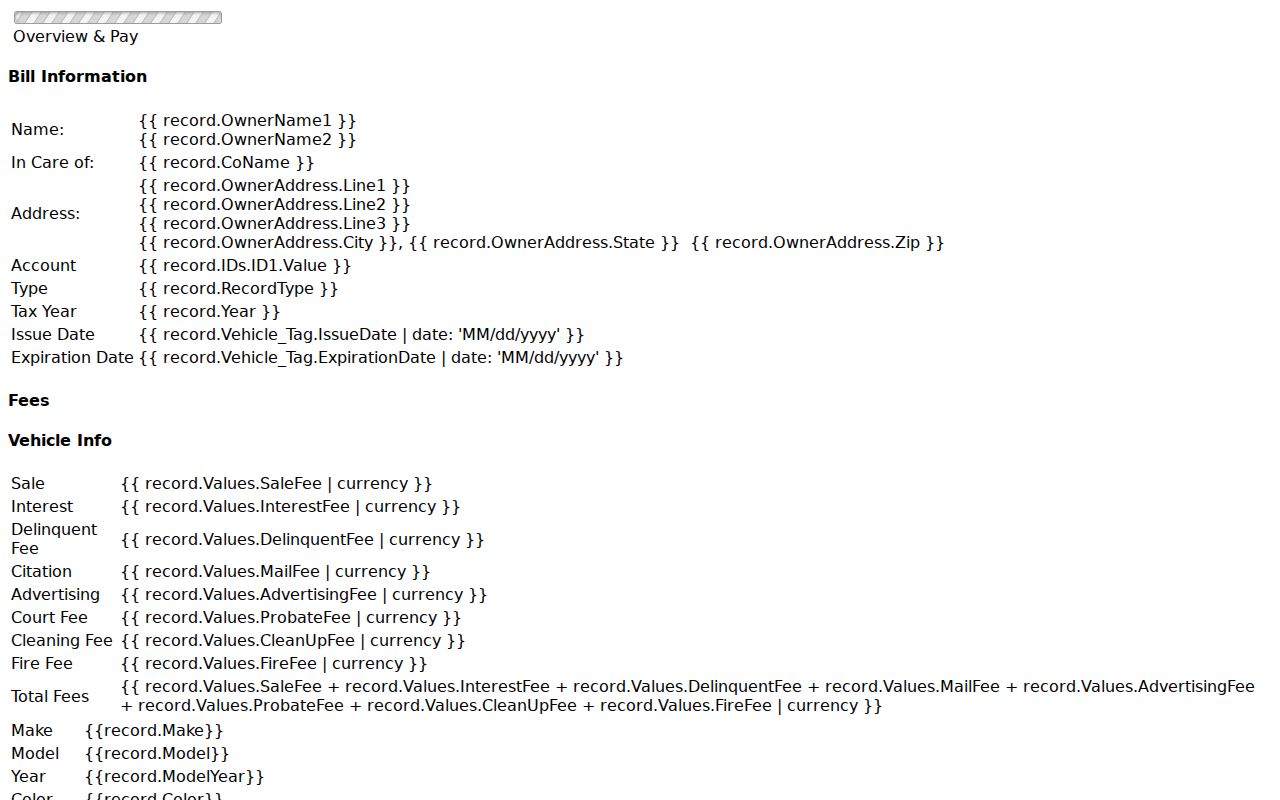
The screen's bill data must stay tied to its tax year and parcel row.
Apply Alabama's Assessment Cap Carefully
Act 2024-344 guidance from the state sets a base year of October 1, 2024. It caps certain Class II and III taxable assessed values. Ownership changes, new parcels, additions, and other exclusions apply. Keep the property class clear, and separate true, assessed, taxable, and capped amounts. Ask the Revenue Commissioner about a given account. Ask why it gained or lost cap treatment instead of guessing from one year.
Track Crenshaw Delinquency by Stage
The ALDOR delinquent-property page links a state-inventory transcript for Crenshaw. Delinquency unfolds in stages. An unpaid bill is not a tax deed, and a transcript entry is not a sale, so confirm current status, sale year, purchaser, redemption, and deed before assuming where a parcel stands.
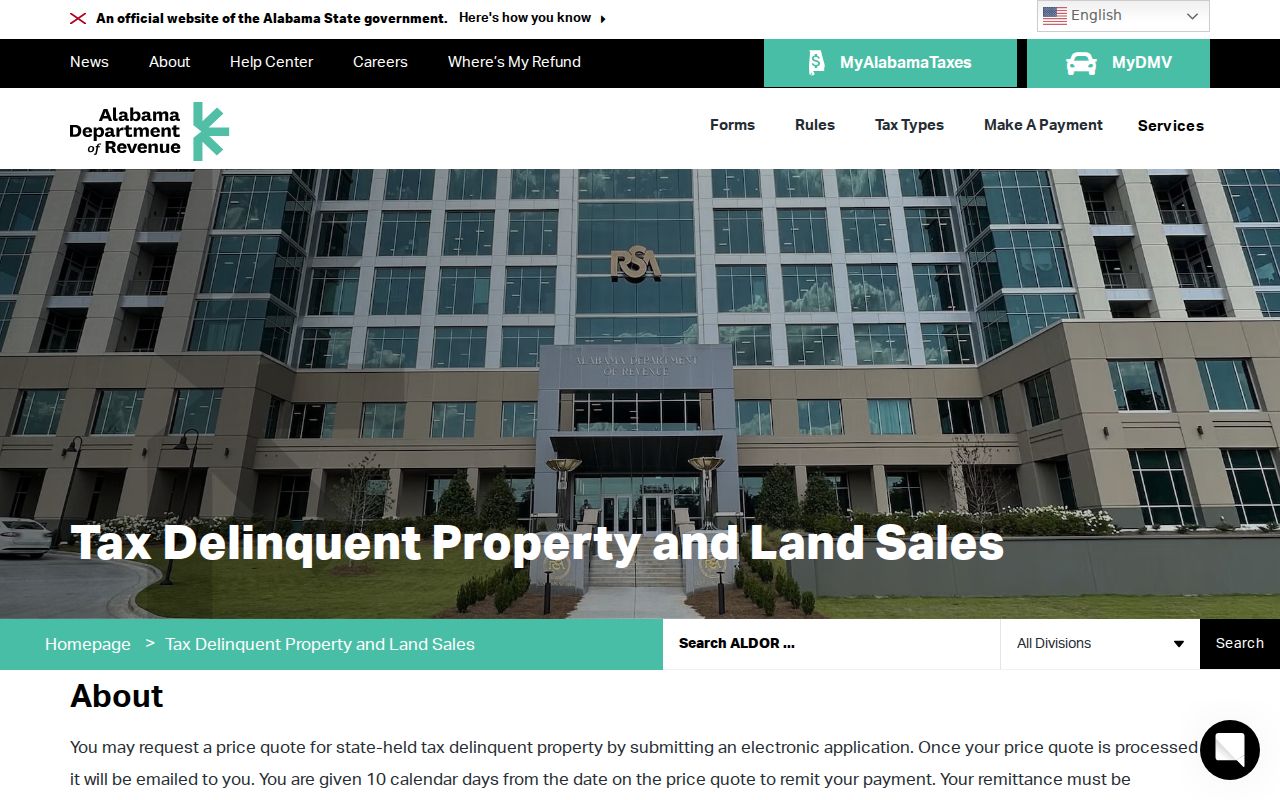
A transcript entry alone does not establish a completed title transfer.
Ask the Crenshaw Revenue Commissioner
Michelle Boswell serves as Revenue Commissioner. The office sits at 29 S Glenwood Avenue in Luverne, with mail directed to PO Box 208. Call 334-335-6568, extension 231, with appraisal questions on extensions 247 and 254. This office handles classifications, exemptions, values, and bills. Deed title belongs to Probate.
Place the Bill in Alabama's Tax Calendar
Alabama property taxes come due October 1. ALDOR guidance makes them delinquent after December 31. The portal's payment table can show a December 31 due date for the displayed tax year, but the current account status and any later interest or fees should be confirmed when you pay. A saved bill from an earlier season does not settle today's payoff.
Alabama reassesses on a four-year equalization cycle. Between cycles, new construction, additions, ownership changes, and other account events can move a particular assessment. Report mailing address changes to the tax office. An address update never transfers deed ownership. Preserve the bill year and last-updated timestamp whenever you compare records.
Note: Confirm any time-sensitive payoff directly, because interest, fees, or sale status can change after a downloaded bill was generated.
Interpret Crenshaw Exemption Clues Carefully
A Catalis result can display exemption codes, descriptions, total exempt value, and exempt tax. Some entries carry age-related or homestead-style language. Treat that as a clue, not proof. It does not show that a person qualifies today. It also does not show that the deed created a particular ownership estate.
Ask the Revenue Commissioner about the rules that govern a claimed exemption. Ask which application, evidence, deadline, and ownership or occupancy rules apply. The county file includes a Current Use Appraisal application for qualifying agricultural or similar use. Current use is not a blanket reduction. Preserve the approved tax year and classification when comparing figures.
A life estate, trust, estate, or business entity in the owner field changes the picture. Retrieve the deed or probate instrument. Tax administration and recorded ownership overlap, but each office answers a different question.
Reconcile Crenshaw Tax Records Across Years
For each year, record the account number, parcel IDs, owner and mailing label, legal descriptions, land and improvement appraisal, land and improvement assessment, district, exemptions, gross and net tax, payment status, receipt, and last update. Compare like fields only. Matching a capped taxable figure against a prior true value distorts the trend.
A parcel split, combination, new improvement, class change, ownership change, or corrected description can explain an apparent jump. So can multiple parcel rows on one account. Ask the office which change occurred. Keep the answer with its source date.
The tax owner and the latest deed grantee may differ because the roll is an administrative snapshot. Use Crenshaw County deed records to verify recorded transfer language. The GIS map orients parcel geography, nothing more.
Contest a Crenshaw County Assessment
A Crenshaw County assessment you believe is wrong can be challenged. Alabama puts the first stop at the local assessing official. That conversation is where most disagreements end. If it does not, the next step is a written protest filed with the Board of Equalization. It is due within 30 calendar days after the annual assessment notice is published. Confirm Crenshaw County's actual publication date and filing method before that clock runs out.
Your case gets stronger with specifics. Bring the account number, tax year, parcel number, legal description, photographs, measurements, condition evidence, comparable sales, and a precise statement of the claimed error. The ALDOR appeal guidance lays out the statewide route.
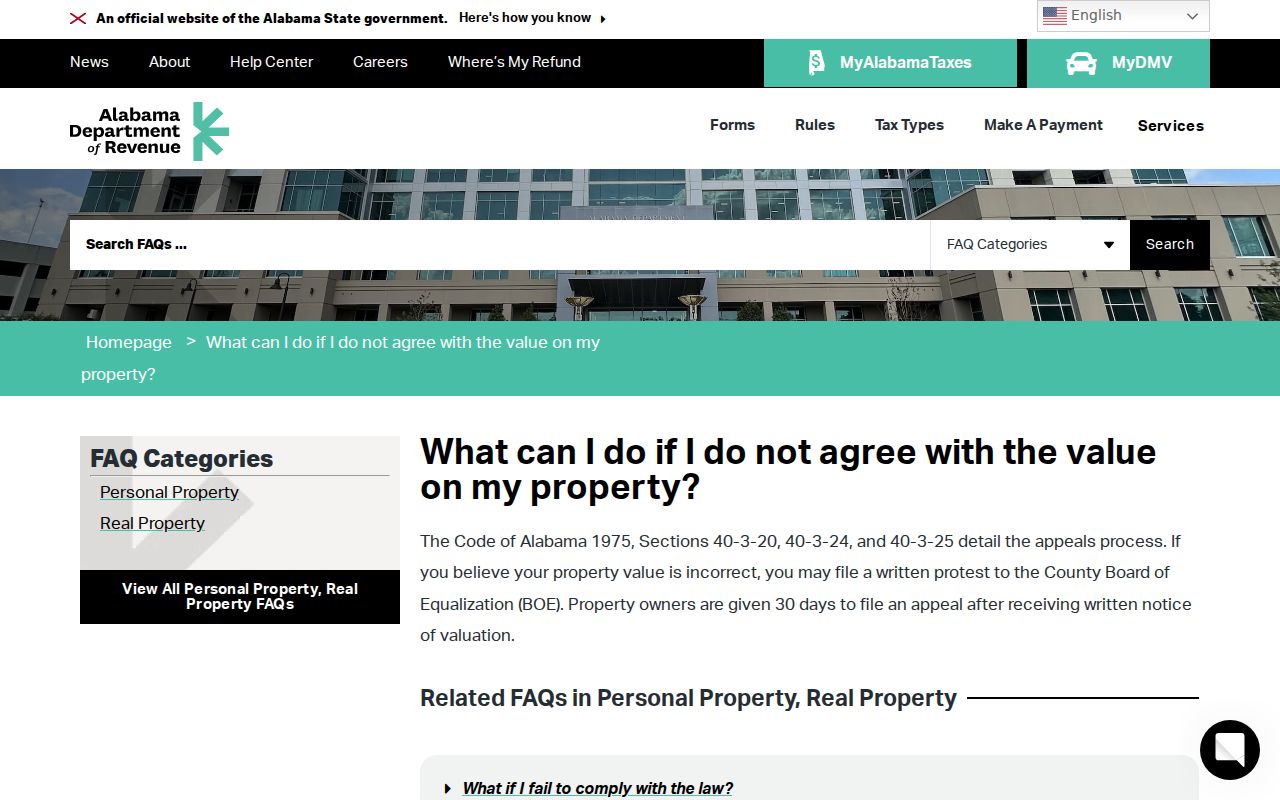
Pair this rule with the county's current notice before computing a due date.
Appeal window. The statewide rule is 30 calendar days after final publication of the annual notice. Verify the Crenshaw date and delivery requirements immediately.