
Verify the Crenshaw County Owner of Record
Catalis offers the clearest current record card available online for Crenshaw County. Fields can include Name, Owner 2, In Care Of, mailing address, account, tax year, parcel rows, district, appraisal, assessed amount, due amount, and legal description. Other fields cover the assessed and due amounts. Read them as one unit. A name pulled out of context misses what the appraisal and legal description confirm.
| Owner Name / Owner 2 | Person or entity billed on the tax account |
|---|---|
| Mailing Address / Care Of | Correspondence destination, not proof of occupancy |
| Parcel ID and District | Identifiers tying the name to the right property |
| Legal Description | Land text used to compare records |
| Tax Year | Year represented by this roll entry |
| Last Updated | Portal metadata when returned |
The owner of record is not always the occupant. A different mailing address can point to an entity, a representative, a care-of arrangement, or an owner living outside Crenshaw County.
An assessment roll is the tax office account record. The owner of record is the name that office presently carries. Situs is where the property sits. Mailing address is where correspondence goes. Recording lag is the interval between a conveyance and its appearance in another system.
Document the Current Crenshaw Owner Check
Save a dated record card for the parcel. Don't copy just the displayed name. The card should capture the tax year, account number, every parcel ID, owner and second-owner fields, the in-care-of line, mailing address, legal-description clues, and last-updated information. When an account holds several property rows, mark the row matching the address under review.
Build a separate deed-confirmation row next. Record the newest instrument's grantee, grantor, deed type, execution date, recording date, book/page or instrument number, and complete legal description. Never merge the two when dates or names differ. The tax name is a dated roll label; the deed parties are exactly as the recorded instrument states them.
Search initials, full names, spouses, estate styles, trusts, and exact business-entity names. An “L/E” tax entry can signal a life-estate reservation. Only the deed explains the interest. An exemption line reflects tax administration. It is not proof of the estate conveyed.
If the latest conveyance involves an estate, foreclosure, tax proceeding, or court order, collect the probate or court reference without treating a docket entry as deed proof. The Circuit Clerk file may explain authority or a dispute. Probate remains the recorded-land-document route.
Confirm the Current Crenshaw County Owner Against the Deed
The Judge of Probate is the county's recording office. Its online services page lists land-record and probate-case routes, though direct fields, coverage dates, and image charges are not verified there.
- Record the roll name, parcel ID, legal description, and year.
- Locate the newest deed or later corrective or survivorship instrument.
- Compare grantee, recording date, and legal description.
- Report both sources and dates if they differ.
A recent deed can be more current. The roll may still carry the prior owner after a transfer.
- Owner of record
- The party carried on the office's current record.
- Vesting
- The way a recorded instrument states an interest is held.
- Registered agent
- A business filing contact, not proof of personal land ownership.
Check Who Owns a Crenshaw County Parcel Now
Open the Crenshaw County tax search. Query by owner name, receipt number, or parcel/map number, one criterion at a time. Coverage spans 2013 through 2025, plus All Years, with Paid, Unpaid, or All status filters. Save the account, parcel ID, year, owner lines, address, and description. One account can hold several parcels. Verify the exact row.
Crenshaw County's Present Owner Record in Context
The official tax record view shows how identity and parcel fields appear together:
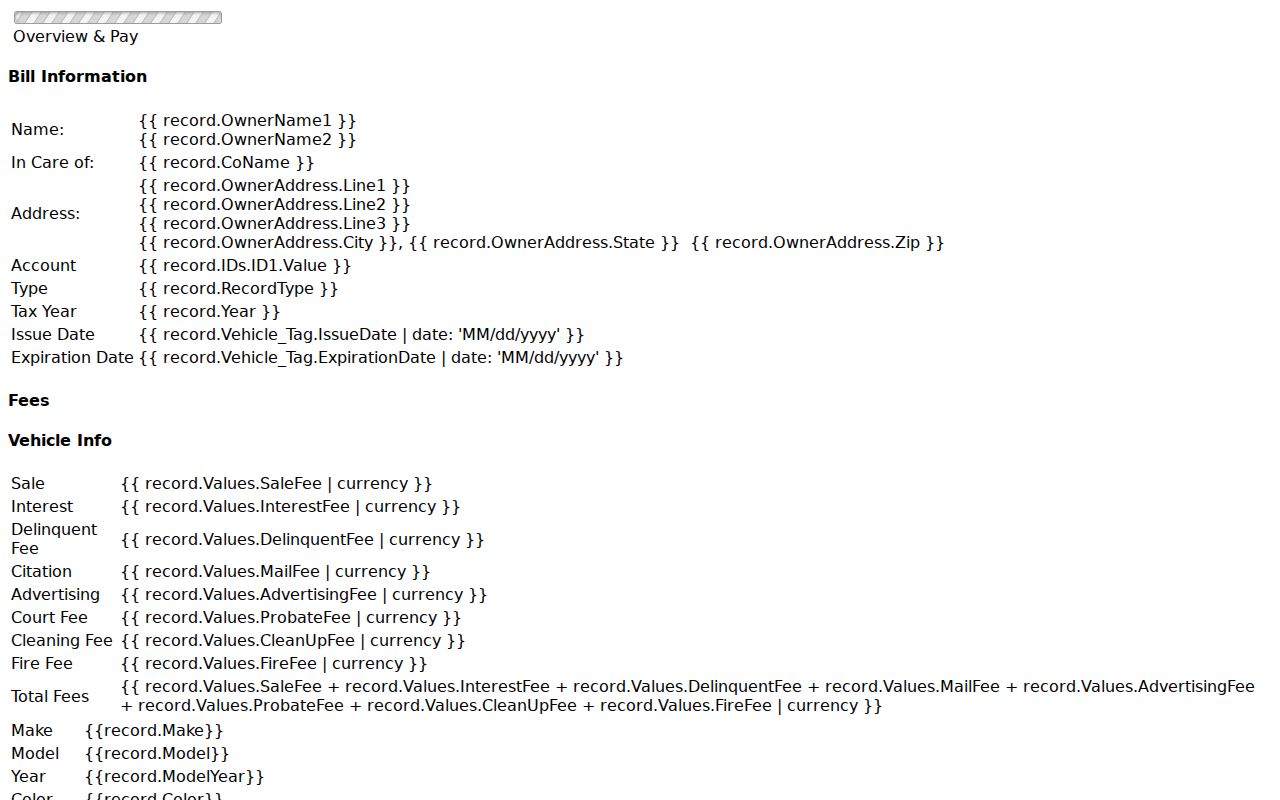
The tax interface documents a roll entry and its year. It is not independent proof of title, so retain the year and parcel ID to reproduce the observation.
Mailing Address Is Not Crenshaw County Occupancy
The owner-address and In Care Of fields administer the account. They do not establish who occupies the situs. A property may be managed through an entity, an estate, a representative, or an address outside Crenshaw County. Situs and mailing address answer different questions. Preserve both labels exactly as the tax result presents them.
Use the published mailing route for lawful contact and keep personal detail to a minimum. Returned mail is not evidence of a transfer. Recheck the current tax year and the newest recorded deed rather than substituting an internet directory or guessing where a named person lives.
Resolve a Crenshaw County Current-Owner Mismatch
Compare dates. Look for a correction deed, survivorship document, probate deed, judgment, or later transfer. Preserve legal-description wording if a parcel ID changed. A life-estate reservation, secondary owner line, or care-of entry is a clue to inspect the instrument. It is not permission to infer legal effect from the tax display.
The roll may list an entity instead of a person. The Alabama Secretary of State Business Entities route can help identify the business filing. Keep that search separate, though. An entity filing or registered agent does not personally vest land in the people named there.
GIS can orient the tract, but its disclaimer warns that data may be incomplete. An unavailable viewer is not a negative ownership finding. If GIS acreage differs from a deed or survey, record both values. Name their sources. Do not pick one silently.
Crenshaw County Current Owner Access Beyond the Web
Call the Revenue Commissioner at 29 S Glenwood Avenue in Luverne, 334-335-6568 Ext. 231. Appraisal uses extensions 247 and 254. Probate shares the courthouse and main number. Ask about current fees. A mail or public-record request should identify the name, parcel, legal description, date, record type, and desired format, with Alabama Code §§36-12-40 through 36-12-47 supplying the applicable framework. See Find a Property Owner for the full method and Former Owners for history.
Tax Name and Title Answer Different Crenshaw County Questions
A tax roll entry answers a narrower question than people expect: who the assessor bills. It lists assessment, exemptions, payments, and a parcel description. It is still only a tax record. The latest deed tells you who holds title. Check later conveyances as well, because the roll can lag behind a recorded transfer. See Deed Records for that step. Labeling matters: "tax-roll owner for 2025" and "grantee on the deed's recorded date" are both more precise than one unsupported conclusion. Title assurance calls for a professional examination. When a second owner or care-of name appears, transcribe it exactly rather than guessing the relationship, since the deed, estate record, or other filed instrument is where the interest is held.
Record the timing of every check you make. Note the tax year, the date you used the portal, the deed recording date, and any courthouse response date. A recent sale is different. Repeat the tax roll and Probate checks instead of predicting when an administrative update will appear. Crenshaw County posts no standard lag. No fixed number of days should be promised. For a mailed or fee-bearing request, confirm the custodian, product, price, and delivery method through the official number. A plain image, a tax printout, and a certified deed serve different evidentiary purposes. Keep the receipt and request wording together.
Use Crenshaw County Owner-of-Record Details Responsibly
Owner-of-record data has real uses. It supports purchase diligence, deed-fraud checks, estate questions, boundary communication, and civic transparency. Verify it with the custodian. Alabama also protects certain information in court, domestic-violence, judicial, and law-enforcement contexts, so a public result is never a complete personal profile. Save only the parcel-level facts you need. Note the URL, criterion, tax year, and date accessed. Portals go down. If the site is unavailable, record that condition and use the courthouse, phone, mail, or a focused public-record request rather than silently substituting an aggregator. Keeping the access date, search criterion, parcel row, and tax year lets another reader reproduce the check and spot a later update.
Lawful use. Never use owner information to stalk, harass, intimidate, target, or harm anyone. A public mailing address does not permit intrusive contact.